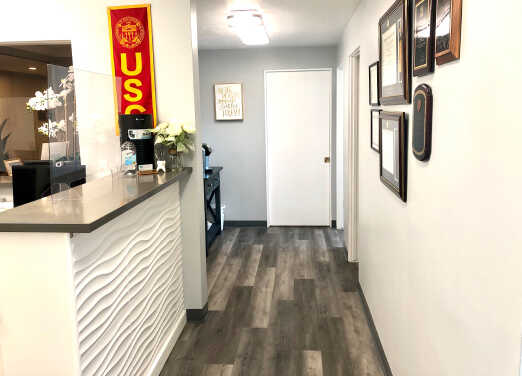
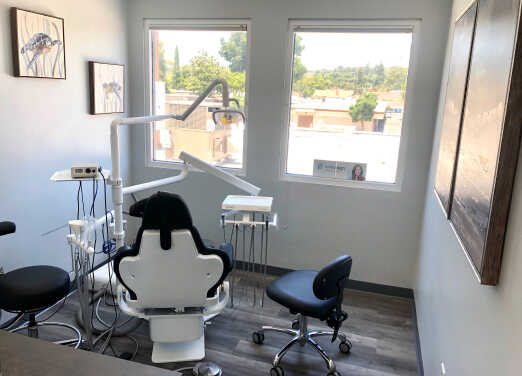
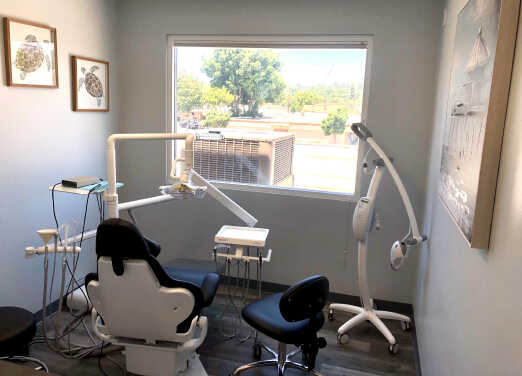
The Whitmar Medical Dental Building - 16315 Whittier Blvd., Suite 203, Whittier, CA 90603
Facial trauma can affect how you breathe, speak, eat and feel about your appearance. Even injuries that seem minor at first can involve the jaw, teeth-supporting bone or soft tissues in ways that need careful assessment. At Marianne Tanios, DDS, our maxillofacial surgeon and team provide facial trauma and repair with a steady, supportive approach. Dr. John Costandi focuses on comfort, clear communication and treatment planning that protects both function and appearance.
What to Expect During Evaluation and Care
A trauma visit starts with listening. We review how the injury happened, what symptoms you are noticing and any medical conditions or medications that may affect healing. Imaging helps us understand the full picture, including bone position, bite changes and areas of swelling. We then explain findings in plain language and outline next steps, including timing, expected recovery and what you can do at home to support healing.
Your evaluation may include:
- Review of symptoms such as pain, bite changes or numbness
- Imaging to assess facial bones and jaw alignment
- Examination of soft tissues and areas of swelling
- Guidance on diet, hygiene and activity limits during recovery
Why Timely Repair Matters
Facial structures work together. When the jaw or facial bones shift, it can change your bite, stress the joints and affect comfort during chewing. Repair planning is designed to restore proper alignment and stability, support healing and reduce the risk of long-term problems. Soft tissue care also matters because clean, well-supported healing can improve comfort and help reduce visible scarring. We also provide follow-up guidance so you know what changes are normal, what signs call for a check-in and how to protect the area while it heals.
If you have had a facial injury and you are unsure what to do next, do not wait for symptoms to worsen. Call 562-943-0234 to schedule an evaluation so our team can review your concerns, assess the injury and explain options clearly. You will receive a structured plan, supportive instructions and guidance that helps you feel confident about your next steps. We invite you to learn more about racial trauma and repair in Whittier, California.
Frequently Asked Questions About Facial Trauma & Repair
How do you offer facial trauma and repair in Whittier, California, and surrounding areas?
Our maxillofacial surgeon and team welcome patients from the region and coordinate care based on injury needs, scheduling and referral preferences.
What symptoms should I take seriously after an injury?
Bite changes, difficulty opening, persistent bleeding, numbness or worsening swelling should be assessed. Contact our office for guidance.
Will I need follow-up visits?
Follow-up is often important to monitor healing, review comfort and confirm function is returning as expected. Your plan will outline timing.
What should I bring to my visit?
Bring a medication list, medical history details and any notes or images you were given at the time of the injury.