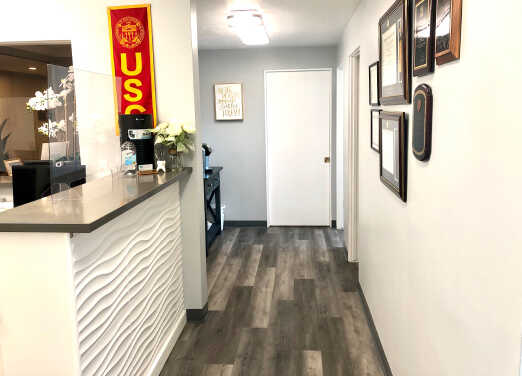
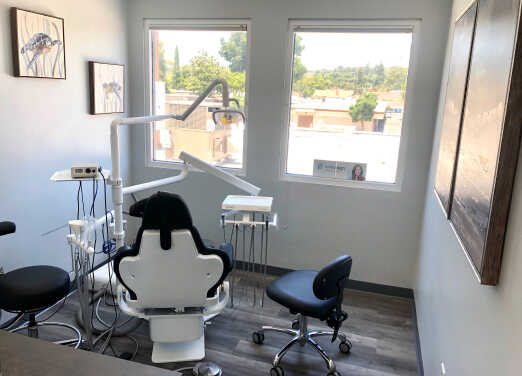
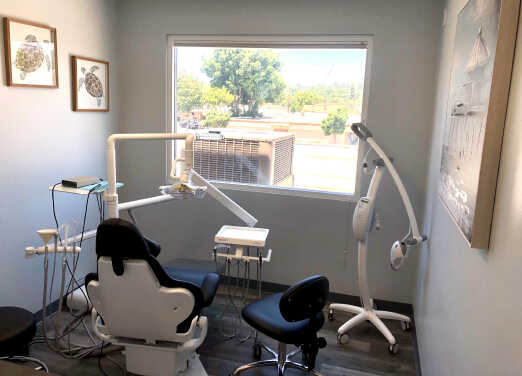
The Whitmar Medical Dental Building - 16315 Whittier Blvd., Suite 203, Whittier, CA 90603
Traumatic dental injury management in Whittier, California, focuses on evaluating and treating teeth that have been damaged due to impact or sudden force. Dental trauma may result from sports injuries, falls, motor vehicle accidents or direct blows to the mouth. These injuries can affect the enamel, dentin, pulp, periodontal ligament or surrounding bone. Prompt assessment is critical to determine the extent of damage and improve the prognosis of the affected tooth.
Trauma can present in several forms, including enamel fractures, crown fractures, root fractures, tooth displacement or complete avulsion. In some cases, damage to the pulp may not be immediately visible. Symptoms may include pain, mobility, bleeding around the gumline, changes in tooth position or discoloration. Even when discomfort is mild, internal injury may be present and requires evaluation.
Immediate Steps After Dental Trauma
When a dental injury occurs, timely action can influence long term outcomes:
- Seek professional evaluation as soon as possible
- Handle a displaced or avulsed tooth carefully and avoid touching the root
- Keep an avulsed tooth moist in an appropriate storage medium
- Apply gentle pressure with clean gauze if bleeding is present
- Avoid biting on the injured area until examined
Early intervention increases the likelihood of preserving tooth vitality and supporting structures.
Diagnostic Evaluation and Treatment
Management begins with a clinical examination by our skilled endodontist and radiographic imaging to assess the pulp, root integrity and surrounding bone. Pulp vitality testing may be performed and repeated over time, as some traumatic injuries result in delayed pulpal necrosis.
Treatment depends on the type and severity of injury. Minor fractures may require protective restoration and monitoring. Displaced teeth may need repositioning and stabilization. If the pulp becomes inflamed or necrotic, endodontic therapy may be indicated to remove infected tissue and prevent further complications. Root fractures require careful assessment to determine stability and healing potential. Our endodontist will determine the extent of the damage and which type of treatment is right for your needs.
Goals and Benefits of Proper Management
The primary goals of traumatic dental injury management are to:
- Preserve natural tooth structure whenever possible
- Maintain periodontal support and bone health
- Prevent infection and inflammatory complications
- Restore normal function and alignment
Long term follow up is often necessary, as some complications may develop months after the initial injury. Regular evaluation allows for timely intervention if pulpal changes occur.
To learn more about traumatic dental injuries in Whittier, CA, and schedule an appointment with Dr. Daniel Ghobrial, please call Marianne Tanios, DDS at 562-943-0234. We are here to stabilize affected teeth and help protect your long-term oral health.
Frequently Asked Questions About Managing Traumatic Dental Injuries
What should I do if a tooth is knocked out?
Retrieve the tooth by the crown, keep it moist and seek immediate dental care. Quick action increases the chance of successful reimplantation.
Can a tooth survive after severe trauma?
Yes, depending on the type and severity of injury. Early diagnosis and appropriate treatment significantly improve outcomes.
Why is follow up necessary after trauma?
Some pulpal complications, such as necrosis or resorption, may develop later. Periodic evaluation ensures early detection and management.
Is endodontic treatment always required after trauma?
No. Endodontic therapy is only indicated if pulp vitality is compromised or infection develops.