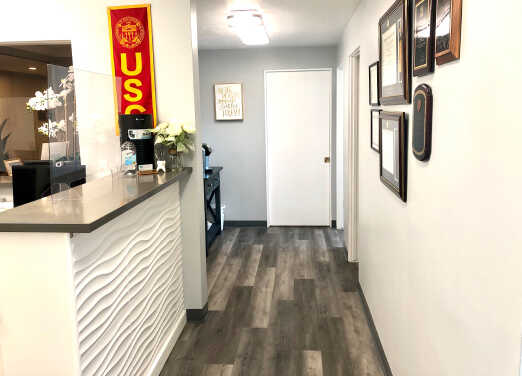
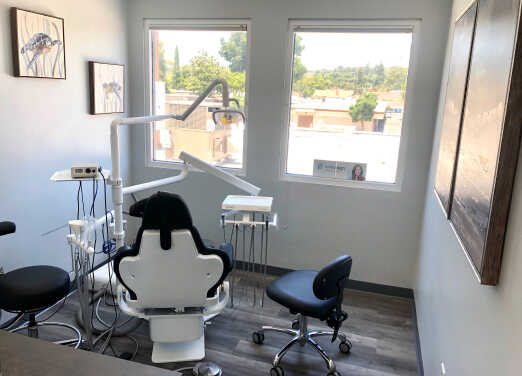
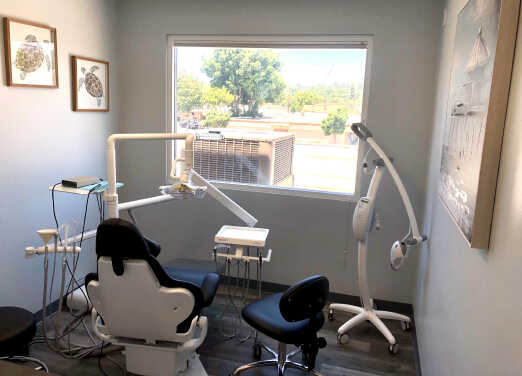
The Whitmar Medical Dental Building - 16315 Whittier Blvd., Suite 203, Whittier, CA 90603
Severe tooth pain, lingering sensitivity, swelling or pain when biting can be signs of infection or inflammation inside a tooth. Root canal therapy in Whittier, California, can remove infected tissue, relieve discomfort and help save your natural tooth. At Marianne Tanios, DDS, our dental team provides root canal treatment for patients who want to stop pain, treat infection and protect their long-term oral health.
If you have a toothache that will not go away, sensitivity that lingers after hot or cold foods, swelling near a tooth or pain when chewing, it is important to schedule an evaluation. Our team can examine the tooth, identify the cause of your symptoms and explain whether root canal therapy may be the right option to preserve your smile.
Need Root Canal Therapy in Whittier, California?
Do not ignore tooth pain, swelling or lingering sensitivity. Root canal therapy can relieve pain, treat infection and help save your natural tooth. Call 562-943-0234 today to schedule an evaluation.
Root Canal Therapy in Whittier, California
Root canal therapy is a dental procedure used to treat infection or irreversible inflammation within the dental pulp. The pulp is the soft tissue inside the tooth that contains nerves, blood vessels and connective tissue. When bacteria enter this space due to deep decay, cracks, trauma or repeated dental procedures, the tooth can become painful or infected.
During root canal treatment, the inflamed or infected tissue is removed, the canal system is cleaned and disinfected, and the space is sealed to help prevent reinfection. The goal is to relieve pain while preserving as much natural tooth structure as possible.
Why Root Canal Treatment Matters
An infected tooth will not usually heal on its own. Without treatment, infection inside the tooth may spread beyond the root and affect the surrounding bone or gum tissue. This can lead to worsening pain, swelling, abscess formation and possible tooth loss.
Root canal therapy allows many patients to avoid extraction and keep their natural tooth. Saving your natural tooth helps maintain normal chewing function, bite alignment and long-term oral health.
When Root Canal Therapy May Be Needed
Root canal therapy may be recommended when an exam and imaging show that the pulp inside the tooth is infected, inflamed or damaged. Sometimes symptoms are obvious, but in other cases, infection may be found before severe pain develops.
You may need a root canal evaluation if you have:
- Persistent or severe tooth pain
- Lingering sensitivity to hot or cold temperatures
- Pain when chewing or applying pressure
- Swelling of nearby gum tissue
- A pimple-like bump on the gums
- A darkened or discolored tooth after injury
- A cracked, chipped or damaged tooth
- Deep decay or a large damaged filling
- Signs of infection near the tooth root
If you are unsure whether your symptoms require root canal care, our team can evaluate the tooth and explain your options clearly.
Tooth Pain or Signs of Infection?
Root canal treatment can address infection at the source and help protect your natural tooth. Call 562-943-0234 today to schedule an evaluation in Whittier, California.
What Happens During Root Canal Therapy?
Root canal therapy begins with an exam, diagnostic imaging and testing to confirm which tooth is causing the problem. Once the area is numb, a small opening is made in the tooth so the infected or inflamed pulp can be removed.
The inside of the tooth is then cleaned, shaped and disinfected. After the canal system is prepared, the space is filled with a biocompatible material and sealed. A temporary or permanent restoration is placed to protect the tooth.
In many cases, a dental crown may be recommended after root canal therapy to restore strength, protect the treated tooth and reduce the risk of future fracture.
Benefits of Root Canal Therapy
Root canal therapy offers several important advantages for patients with infected or damaged teeth. Instead of removing the tooth, treatment may allow the tooth to be restored and kept in place.
Benefits may include:
- Relief from tooth pain and pressure
- Treatment of infection inside the tooth
- Preservation of the natural tooth
- Improved chewing comfort
- Protection of surrounding teeth, gums and bone
- Reduced risk of needing a tooth extraction
- Support for long-term oral health
Root Canal Therapy vs. Tooth Extraction
When a tooth is infected, some patients wonder whether extraction is easier than root canal therapy. In many cases, saving the natural tooth is preferred when the tooth can be successfully restored. Keeping your natural tooth helps preserve your bite, chewing function and tooth alignment.
If a tooth is too damaged to save, extraction may be recommended. Our dental team will evaluate your tooth and explain whether root canal therapy, retreatment or another option is best for your situation.
Comfort-Focused Root Canal Care
Modern root canal therapy is designed to relieve pain, not cause it. Local anesthesia is used to help keep you comfortable throughout treatment, and our team will explain each step so you know what to expect.
Patients often feel relief after the source of infection is treated. If you have been delaying care because of fear or anxiety, our team is here to help you feel informed, supported and comfortable during your visit.
After Root Canal Treatment
Mild tenderness after root canal therapy is normal and usually improves within a few days. Our team will provide aftercare instructions and explain how to protect the treated tooth while it heals.
A final restoration is important for long-term success. Depending on the condition of the tooth, a crown or another restoration may be recommended to restore strength, protect the tooth and help prevent reinfection.
Related Endodontic Care
Root canal therapy is one type of endodontic care. If a previously treated tooth becomes painful again, root canal retreatment may be needed. If you are experiencing sudden or severe tooth pain, swelling or signs of infection, emergency endodontic care may help you get timely evaluation.
Experienced Dental Care in Whittier, California
Patients with tooth pain or dental infection deserve clear communication, careful treatment planning and a gentle approach to care. Dr. Marianne Tanios received her Doctor of Dental Surgery from the Herman Ostrow School of Dentistry of the University of Southern California and graduated in the top 10% of her dental class. She also completed a general practice residency at the Veteran Hospital Healthcare System in San Diego.
Dr. Marianne Tanios has served the Greater Los Angeles Area since 2007 and the city of Whittier since 2017. She is committed to gentle, high-quality dental care and continues to take advanced education courses to stay current with modern dentistry. This patient-centered approach helps Marianne Tanios, DDS provide supportive care for patients seeking root canal therapy in Whittier, California.
Schedule Root Canal Therapy in Whittier, California
If you are experiencing tooth pain, swelling, lingering sensitivity or signs of infection, prompt evaluation can help relieve discomfort and protect your natural tooth. Our team can identify the cause of your symptoms and explain whether root canal therapy is the right option.
Call 562-943-0234 today to schedule your root canal consultation in Whittier, California.
Schedule Your Root Canal Consultation
Get relief from tooth pain and protect your natural tooth. Call Marianne Tanios, DDS at 562-943-0234 today to schedule root canal therapy in Whittier, California.
Frequently Asked Questions About Root Canal Therapy
What is root canal therapy?
Root canal therapy is a dental procedure used to treat infection or inflammation inside a tooth. The infected pulp is removed, the canals are cleaned and sealed, and the tooth is restored to help preserve function.
How do I know if I need a root canal?
You may need a root canal if you have persistent tooth pain, lingering sensitivity, swelling, pain when chewing, a darkened tooth or signs of infection near the gums. An exam and imaging are needed to confirm the diagnosis.
Is root canal therapy painful?
Modern root canal therapy is designed to relieve pain caused by infection or inflammation. Local anesthesia is used to help keep you comfortable during treatment.
How long does root canal treatment take?
Treatment time varies depending on the tooth, its anatomy and the severity of infection. Many root canal cases can be completed in one or two visits.
What happens after root canal therapy?
Mild soreness may occur temporarily after treatment. A permanent restoration, often a dental crown, may be recommended to protect the treated tooth and restore strength.
Can a root canal save my tooth?
Yes. Root canal therapy is designed to remove infection while preserving your natural tooth whenever possible. With proper restoration and maintenance, a treated tooth can function for many years.
What happens if I do not treat an infected tooth?
If an infected tooth is not treated, the infection may spread beyond the tooth root and affect the surrounding bone or gum tissue. This can lead to swelling, abscess formation, worsening pain and possible tooth loss.
Is root canal therapy better than extraction?
When a tooth can be saved, root canal therapy is often preferred because it preserves your natural tooth, chewing function and bite alignment. If the tooth cannot be restored, extraction may be recommended.
Do you offer root canal therapy in Whittier, California?
Yes. Marianne Tanios, DDS provides root canal therapy in Whittier, California, for patients with tooth pain, infection, swelling or damaged dental pulp. Call 562-943-0234 to schedule an evaluation.
Where can I find root canal treatment near me?
If you are located in or near Whittier, California, Marianne Tanios, DDS offers root canal treatment to relieve pain, treat infection and help save natural teeth. Call 562-943-0234 to schedule a visit.