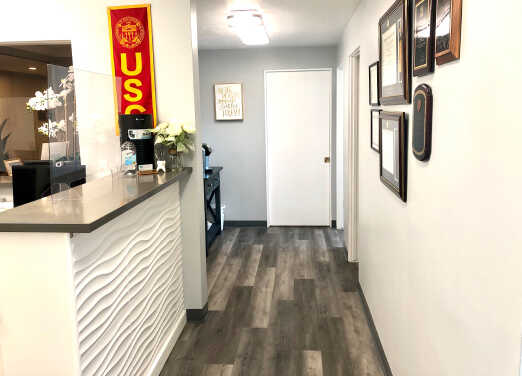
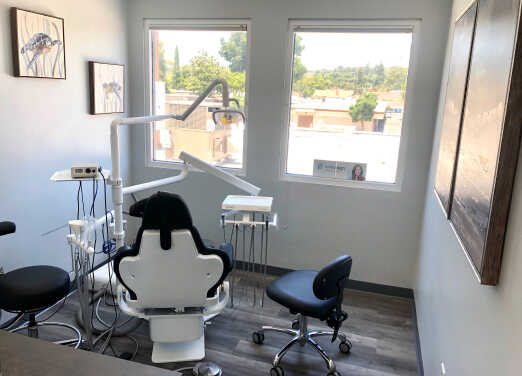
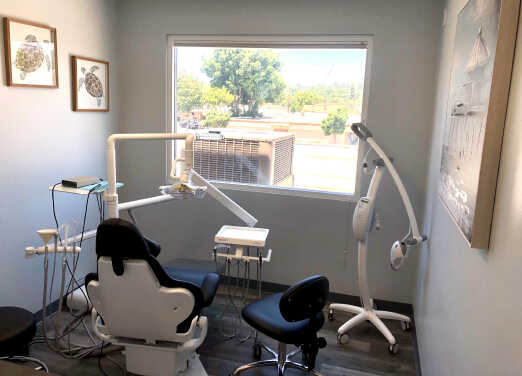
The Whitmar Medical Dental Building - 16315 Whittier Blvd., Suite 203, Whittier, CA 90603
Pain, swelling or pressure after a past root canal can be a sign that infection or inflammation has returned. Root canal retreatment in Whittier, California, may help address problems inside a previously treated tooth and give your natural tooth another chance to heal.
If you have tenderness when biting, a pimple-like bump on the gums, swelling near a treated tooth or symptoms that have come back months or years after root canal therapy, call 562-943-0234 to schedule an evaluation at Marianne Tanios, DDS. Our dental team can examine the tooth, review imaging and determine whether retreatment may help preserve your smile.
Pain After a Past Root Canal?
Do not ignore recurring pain, swelling or pressure around a previously treated tooth. Call 562-943-0234 today to schedule an evaluation for root canal retreatment in Whittier, California.
Root Canal Retreatment in Whittier, California
Root canal retreatment is performed when a tooth that previously had root canal therapy does not heal properly or develops a new infection. While many root canal-treated teeth last for years, problems can develop if bacteria re-enter the tooth, a restoration breaks down or complex canal anatomy was not fully treated during the first procedure.
Retreatment allows the tooth to be reopened, cleaned and sealed again. The goal is to remove remaining or recurring infection, promote healing around the root and preserve the natural tooth whenever possible.
Why a Root Canal May Need Retreatment
A previously treated tooth may need additional care for several reasons. Sometimes symptoms return shortly after treatment, while other problems develop years later.
Common reasons for root canal retreatment include:
- New decay around a treated tooth
- A cracked, leaking or damaged restoration
- Delayed placement of a permanent crown or filling
- Complex canal anatomy that was difficult to fully clean
- Narrow, curved or hidden canals
- Bacteria remaining inside the canal system
- Fracture or structural breakdown of the tooth
- New infection near the root tip
Signs Your Previous Root Canal May Have a Problem
Not every failing root canal causes immediate pain. In some cases, a problem is found during routine dental X-rays. However, many patients notice symptoms around the treated tooth.
Signs may include:
- Pain after a past root canal
- Tenderness when biting or chewing
- Swelling near the tooth or gums
- A pimple-like bump on the gums
- Lingering sensitivity or pressure
- Discomfort that comes and goes
- A bad taste or drainage near the tooth
- Darkening or damage to the treated tooth
- X-ray signs of infection around the root
If symptoms have returned after previous root canal treatment, an evaluation can help determine whether retreatment, restoration or another option is needed.
Have Symptoms Around a Treated Tooth?
Call 562-943-0234 to schedule an evaluation. Our team can check for infection, review your options and explain whether root canal retreatment may help save the tooth.
What Happens During Root Canal Retreatment?
Root canal retreatment begins with an exam and imaging to evaluate the treated tooth, the root structure and the surrounding bone. If retreatment is recommended, the existing restoration and previous root canal filling material are carefully removed so the inside of the tooth can be accessed again.
The canal system is then cleaned, disinfected and inspected for missed anatomy, hidden canals, infection, cracks or other concerns. Once the canals are cleaned and shaped, they are sealed again to reduce the risk of reinfection.
After retreatment, the tooth will need a secure final restoration. In many cases, a dental crown may be recommended to protect the tooth and restore strength.
Benefits of Root Canal Retreatment
When a tooth can be saved, retreatment may help patients avoid extraction and maintain natural chewing function. Preserving the tooth can also help protect bite alignment and reduce the need for replacement options.
Benefits may include:
- Treating recurring or persistent infection
- Helping relieve pain, swelling or pressure
- Giving the natural tooth another chance to heal
- Preserving chewing function
- Maintaining proper bite alignment
- Reducing the need for tooth extraction
- Supporting long-term oral health
Retreatment vs. Tooth Extraction
If a previous root canal has developed a problem, extraction may not be the only option. When the tooth is structurally sound and can be restored, root canal retreatment may allow you to keep your natural tooth.
If the tooth is cracked, severely damaged or not restorable, extraction may be recommended. Our dental team will review your symptoms, imaging and tooth structure before explaining the best options for your situation.
When Retreatment Is More Urgent
Recurring tooth pain, swelling, drainage or a possible dental abscess should be evaluated promptly. Infection can worsen when left untreated and may spread to surrounding tissues.
If you have severe pain, swelling or symptoms that are getting worse, call 562-943-0234. Our dentist will make every effort to see you as soon as possible and determine the next step for your care.
Related Endodontic Care
Root canal retreatment is one part of endodontic care. If you have a tooth that has not been treated before, root canal therapy may be recommended. If you have sudden severe pain, swelling or signs of infection, emergency endodontic care may help you get evaluated quickly.
Experienced Dental Care in Whittier, California
At Marianne Tanios, DDS, patients receive care from a team focused on comfort, communication and long-term oral health. Dr. Marianne Tanios received her Doctor of Dental Surgery from the Herman Ostrow School of Dentistry of the University of Southern California and graduated in the top 10% of her dental class. She also completed a general practice residency at the Veteran Hospital Healthcare System in San Diego.
Dr. Marianne Tanios has served the Greater Los Angeles Area since 2007 and the city of Whittier since 2017. Her gentle, patient-centered approach helps our team support patients who are dealing with tooth pain, dental infection or concerns about a previously treated tooth.
Schedule Root Canal Retreatment in Whittier, California
If you have pain, swelling, pressure or signs of infection around a tooth that already had root canal treatment, do not wait to have it evaluated. Root canal retreatment may help address the problem and preserve your natural tooth whenever possible.
Call 562-943-0234 today to schedule an evaluation at Marianne Tanios, DDS.
Schedule a Retreatment Evaluation
Have pain after a past root canal? Call Marianne Tanios, DDS at 562-943-0234 to schedule an evaluation for root canal retreatment in Whittier, California.
Frequently Asked Questions About Root Canal Retreatment
How do I know if my previous root canal has failed?
Signs may include recurring pain, swelling, tenderness when chewing, a pimple-like bump on the gums or X-ray evidence of infection around the root. An exam is needed to confirm whether retreatment is recommended.
Why would a root canal infection come back?
Infection may return if bacteria re-enter the tooth through decay, a leaking restoration, a crack or delayed final restoration. In some cases, complex canal anatomy may also contribute to persistent infection.
Is retreatment more complicated than the first root canal?
Retreatment can be more complex because previous filling materials must be removed and the tooth must be evaluated for missed anatomy, reinfection, cracks or restoration problems.
Does pain after a root canal mean I need retreatment?
Not always. Some tenderness can occur after treatment, but recurring pain, swelling, pressure or symptoms that return months or years later should be evaluated to determine the cause.
What happens if retreatment is not performed?
If infection remains untreated, it may progress and lead to swelling, abscess formation, bone loss or eventual tooth loss. Evaluation can help determine the best way to protect your oral health.
Is extraction an alternative to retreatment?
Yes. Extraction may be considered in some cases, especially if the tooth is cracked or cannot be restored. When the tooth can be saved, retreatment may help preserve the natural tooth.
Will I need a crown after root canal retreatment?
Many retreated teeth need a secure final restoration, often a dental crown, to protect the tooth and restore strength. Our team will explain what restoration is recommended for your tooth.
Do you offer root canal retreatment in Whittier, California?
Yes. Marianne Tanios, DDS provides root canal retreatment in Whittier, California, for patients with recurring symptoms or infection around a previously treated tooth. Call 562-943-0234 to schedule an evaluation.